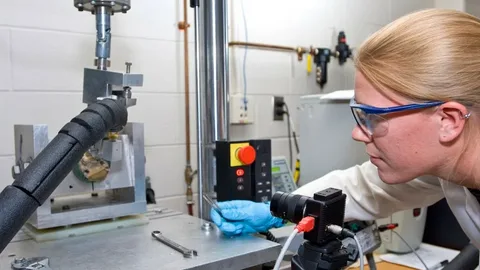
Construction projects rely heavily on the integrity and durability of building materials. Among all materials used in modern infrastructure development, concrete remains the most foundational component for structural stability. Ensuring that concrete meets precise strength requirements is vital for the safety and longevity of any building or civil engineering project. Engineers and laboratory technicians must perform rigorous compressive strength tests regularly to verify material performance under load.
Quality assurance in construction begins long before the actual building process starts. Testing laboratories analyze fresh concrete batches by casting them into specific shapes and sizes to evaluate their mechanical properties. These tests provide quantifiable data that help project managers make informed decisions regarding mix designs and structural safety margins. Utilizing reliable testing accessories ensures that every sample reflects true field conditions accurately.
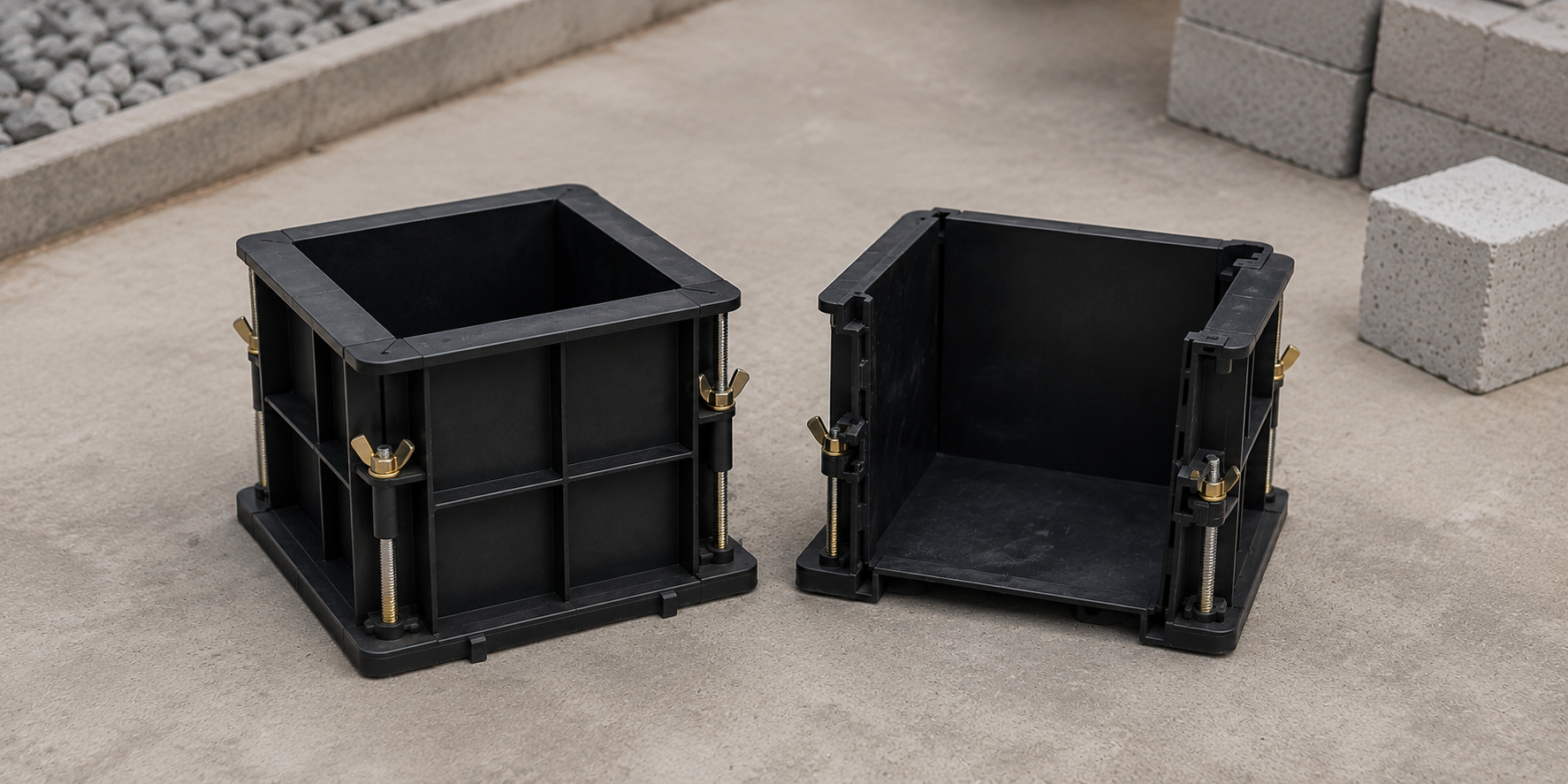
Selecting the right hardware for sample preparation is crucial for achieving consistent and reliable test outcomes. Laboratories often depend on a durable plast mould to cast precise cubic specimens without structural defects or surface irregularities. The choice of manufacturing material directly influences the ease of demoulding and the overall dimensional accuracy of the hardened concrete samples.
The Fundamental Role of Concrete Testing in Modern Construction
Building structures must endure decades of environmental stress and heavy loads without failing. Concrete testing provides the scientific foundation necessary to validate structural calculations before construction proceeds above ground level. Without proper testing protocols, potential weaknesses in the material mix would remain hidden until catastrophic failures occur. Therefore investing in quality testing gear is an absolute necessity for every engineering firm.
Every batch of concrete delivered to a job site possesses unique characteristics influenced by weather conditions and raw material variations. Routine sampling allows quality control teams to monitor consistency across different delivery trucks and construction phases. Documenting these compressive values builds a reliable historical database for future engineering reference and regulatory compliance.
Understanding Compressive Strength and Structural Integrity
Compressive strength is the primary metric engineers use to evaluate the quality of hardened concrete. Testing involves applying increasing loads to cured concrete specimens until structural failure occurs. The maximum load sustained divided by the surface area determines the compressive strength rating in megapascals or pounds per square inch.
Accurate measurement depends entirely on the geometric perfection of the test specimen. Any slight deviation in flatness or parallelism across the cube faces can lead to premature stress concentrations and inaccurate test readings. Using precision engineered casting equipment prevents these geometric flaws from compromising laboratory results.
Why Dimensional Accuracy is Critical for Test Samples
Standard testing protocols dictate strict dimensional tolerances for all concrete test specimens. Even microscopic variations in width or height can skew compressive strength calculations significantly. Technicians must verify that casting accessories maintain their shape under repeated use and heavy vibration.
High quality equipment ensures that every produced cube adheres strictly to international sizing guidelines. Consistency across multiple samples allows engineers to calculate reliable averages rather than relying on isolated data points. Precision manufacturing of testing apparatus directly elevates the credibility of laboratory findings.
The Shift from Traditional Metal Equipment to Polymer Alternatives
Historically testing laboratories relied exclusively on cast iron or steel apparatus for sample preparation. While metal options offered high durability they also presented significant drawbacks regarding weight and corrosion susceptibility. Heavy metal units frequently caused strain injuries among laboratory staff during routine handling and cleaning procedures.
Modern engineering has embraced advanced polymers as superior alternatives for material testing accessories. These advanced materials provide exceptional structural rigidity while remaining remarkably lightweight and easy to manage. The transition towards polymer options has revolutionized daily laboratory workflows and enhanced operational safety.
Key Benefits of Lightweight Laboratory Testing Accessories
Handling heavy testing equipment consumes valuable time and energy during busy laboratory shifts. Lightweight polymer alternatives allow technicians to assemble and disassemble casting units quickly and efficiently. Reduced equipment weight also minimizes shipping costs and simplifies storage logistics within crowded facilities.
Despite their low weight modern polymer units exhibit remarkable resistance to impact and mechanical stress. They maintain their structural form even when subjected to vigorous mechanical vibration during concrete consolidation. This combination of lightness and strength makes them ideal for demanding testing environments.
Analyzing the Design of Split Construction Moulds
Efficient demoulding is a critical factor in preventing damage to newly cured concrete cubes. Split construction designs allow the sides of the casting unit to separate cleanly from the hardened specimen. This innovative configuration eliminates the need for excessive force or hammering during the extraction phase.
Preserving the edges and corners of the concrete cube is essential for obtaining valid compressive test data. Chipped or damaged edges alter the stress distribution during loading and yield artificially low strength readings. Thoughtfully designed splitting mechanisms protect the delicate concrete surfaces throughout the extraction process.
Ensuring Smooth Internal Finishes for Accurate Results
The internal surfaces of any casting apparatus must possess a mirror smooth finish to prevent concrete adhesion. Imperfections on the inner walls transfer directly onto the cured specimen creating surface roughness that interferes with testing plates. Manufacturers employ advanced polishing techniques to achieve flawless interior walls.
Smooth walls also facilitate easy application of release agents before pouring fresh concrete mixtures. A uniform coating ensures that the hardened specimen slides out effortlessly without clinging to the polymer walls. Maintaining pristine interior surfaces guarantees consistent sample quality over thousands of casting cycles.
The Importance of Rigidity During Concrete Pouring and Vibration
Fresh concrete exerts substantial lateral pressure against the walls of any container during the filling stage. Furthermore external or internal vibrators introduce high frequency oscillations designed to eliminate trapped air pockets. Any flexibility in the container walls would absorb these vibrations and distort the final cube geometry.
Rigid polymer construction ensures that walls remain perfectly straight and stationary throughout the consolidation process. This structural stability guarantees that the resulting concrete cube maintains precise right angles and flat faces. Uncompromising rigidity is a hallmark of professional grade testing hardware.
Standardizing Sample Preparation for Reliable Outcomes
Standardization is the cornerstone of scientific testing and quality assurance across the construction industry. Every laboratory must follow identical procedures from batch sampling to final curing to ensure fair comparisons. Utilizing standardized equipment eliminates variables introduced by inconsistent tooling.
Adhering to recognized testing codes ensures that results are accepted universally by clients regulators and legal entities. Certified testing units provide the repeatability required to satisfy stringent auditing requirements. Consistency in hardware translates directly into confidence in structural safety.
Curing Environments and Their Impact on Concrete Strength
Curing is the chemical process wherein cement hydrates and hardens over time in the presence of moisture. Temperature and humidity levels within the curing environment dictate the rate and ultimate extent of strength gain. Specimens must remain undisturbed in controlled water tanks or humidity chambers for specified durations.
Properly sealed casting units often feature tight fitting base plates that prevent water ingress or leakage during initial setting. Protecting the fresh sample from premature drying ensures optimal hydration of cement particles. The quality of the initial casting environment sets the stage for successful curing outcomes.
Best Practices for Demoulding Concrete Specimens Safely
Timing is critical when extracting cured concrete cubes from their casting enclosures. Premature extraction can cause the young concrete to crumble under its own weight while delayed extraction complicates the process. Technicians typically perform demoulding twenty four hours after the initial pour depending on ambient conditions.
Careful handling during this transition phase prevents edge chipping and surface cracking. Technicians should use non metallic tools if any gentle persuasion is required to separate the split sections. Respecting the fragility of early age concrete ensures accurate test data.
Cleaning and Maintenance Protocols for Extended Lifespan
Regular maintenance preserves the operational readiness of laboratory testing equipment for years of continuous service. After each use technicians must remove residual cement paste using warm water and non abrasive brushes. Allowing concrete to dry and harden inside the casting unit ruins the smooth interior finish.
Routine inspections for wear and tear help identify minor issues before they impact sample quality. Applying a thin protective coating after cleaning further safeguards the polymer material against chemical degradation. Diligent maintenance routines reflect professional pride and operational excellence.
Preventing Chemical Corrosion and Wear in Laboratory Tools
Fresh concrete is an alkaline substance that can cause corrosion in unprotected metal testing accessories over time. Traditional steel units require constant anti rust treatments and painting to survive wet laboratory conditions. In contrast advanced polymer materials are entirely immune to alkaline corrosion and moisture damage.
This inherent chemical resistance eliminates the need for harsh chemical treatments during maintenance cycles. Laboratories save significant time and resources by utilizing corrosion resistant testing hardware. Long term durability translates into lower operational overhead for testing facilities.
Compliance with Global Quality Standards and Regulations
International standards organizations publish exhaustive specifications governing the dimensions and performance of concrete testing apparatus. Manufacturers must design their products to meet or exceed these rigorous guidelines to ensure global market acceptance. Laboratories audit their equipment inventories regularly to verify compliance with current standards.
Using certified testing hardware protects engineering firms from liability issues associated with faulty material data. Regulatory bodies inspect testing facilities periodically to confirm that all instruments meet established calibration and sizing criteria. Investing in compliant equipment is a non negotiable requirement for professional laboratories.
Eliminating Air Voids During the Sample Casting Process
Trapped air bubbles within a concrete specimen act as internal stress concentrators that weaken the material significantly. Proper consolidation using tamping rods or table vibrators is necessary to force air pockets upward and out of the mix. The structural design of the casting enclosure must facilitate this escape without trapping air along the walls.
Rigid walls and smooth internal corners allow air bubbles to rise freely during the vibration phase. Achieving a dense and void free concrete specimen is essential for true compressive strength evaluation. Equipment quality plays a direct role in achieving this microstructural perfection.
Optimizing Laboratory Workflow with Efficient Tooling
Busy commercial laboratories process hundreds of concrete samples every single week to meet tight construction schedules. Streamlined equipment designs enable rapid assembly filling vibration and demoulding operations. Every minute saved during sample preparation improves overall laboratory throughput.
Ergonomic features such as secure locking mechanisms and comfortable handling grips reduce operator fatigue. Staff members can maintain high productivity levels throughout long shifts without experiencing physical strain. Efficiency in tooling directly drives business profitability in the testing sector.
Primary Applications
- Compressive Strength Testing: Used extensively to cast specimens that are subsequently crushed in compression testing machines at designated intervals (such as 7, 14, and 28 days) to verify structural compliance.
- Construction Quality Control: Utilized by ready mixed concrete suppliers and site engineers to validate batch consistency and ensure material strength matches engineering blueprints.
- Civil Infrastructure Projects: Essential for quality testing across major structural developments including highways, bridges, and high rise foundations.
Advantages Over Traditional Metal Moulds
- Lightweight Portability: Significantly lighter than traditional cast iron or steel formwork, reducing operator fatigue and making field sampling much easier to manage.
- Corrosion Resistance: Immune to rust and oxidation, ensuring a long operational lifespan with minimal ongoing maintenance requirements.
- Enhanced Sample Integrity: The smooth separation of the two halves minimizes chipping and surface micro cracking during demolding, yielding cleaner, more accurate test specimens.
Cost Effectiveness of Durable Polymer Testing Equipment
Initial equipment expenditure is only one factor in the total cost of operating a materials testing laboratory. Equipment longevity replacement frequency and maintenance requirements dictate the true long term financial impact. Durable polymer casting units offer exceptional lifespan compared to fragile traditional alternatives.
Resilience against cracking and deformation means laboratories do not need to replace broken equipment frequently. Lower maintenance overhead combined with extended operational life delivers outstanding return on investment. Financial prudence in equipment selection strengthens the bottom line for testing businesses.
Sustainable Practices in Construction Material Testing
Modern industries face increasing pressure to adopt sustainable practices and minimize environmental footprints across all operations. Long lasting testing equipment reduces resource consumption by eliminating the need for frequent manufacturing replacements. Furthermore many advanced polymers are fully recyclable at the end of their operational lifecycle.
Sustainable laboratory management extends to conserving water during equipment cleaning and reducing chemical waste. Selecting durable and eco friendly testing accessories aligns laboratory operations with global environmental responsibility goals. Environmental stewardship is becoming a core value for forward thinking engineering organizations.
Frequently Asked Questions About Concrete Moulds
What is the standard size for compressive strength testing cubes?
The one hundred fifty millimeter cube is the most widely recognized international standard size for routine concrete compressive strength testing.
How soon after casting should concrete specimens be demoulded?
Specimens are typically extracted from their casting enclosures between sixteen and twenty four hours after initial placement depending on curing conditions.
Why are split designs preferred over single piece containers?
Split designs allow the container walls to separate away from the cured concrete without requiring hammering or damaging force which protects sample edges.
Can polymer casting units withstand mechanical vibration?
Yes high quality polymer casting units are engineered with exceptional rigidity to endure vigorous mechanical table vibration without flexing or distorting.
How should testing equipment be cleaned after use?
Equipment should be washed thoroughly with warm water and non abrasive brushes immediately after demoulding to remove all residual cement paste.
Final Thoughts
Investing in high quality testing equipment is fundamental to ensuring structural safety and regulatory compliance across the construction industry. Precision manufactured casting accessories provide the consistency and reliability required for accurate compressive strength analysis.
By prioritizing durable materials and ergonomic designs testing laboratories can enhance operational efficiency while upholding the highest standards of scientific integrity. Ultimately meticulous sample preparation paves the way for resilient and enduring infrastructure development worldwide.